
Every casino floor tells the same silent story: thousands of players pumping money into machines they don't understand, hoping for a miracle. Meanwhile, a seasoned handful sit quietly at high-volatility slots they've researched for weeks, timing their sessions around bonus cycles and bankroll math. The difference between these two groups isn't luck. It's knowledge.
Whether you're spinning reels, grinding poker tables, or calculating betting odds, the iGaming world rewards players who treat it like a skill game wrapped inside an entertainment product. Let's break down what actually matters. Some of the clearest guidance on this comes from สล็อตเว็บตรง.
Walk into any online casino and you'll see hundreds of slot titles. What separates them isn't just theme or graphics — it's volatility and RTP (Return to Player).
RTP is the theoretical percentage of all wagered money a slot pays back over millions of spins. A 96% RTP slot returns $96 for every $100 wagered on average. That sounds generous until you understand that "average" plays out over millions of spins, not your Tuesday night session.
Volatility determines how that RTP gets delivered:
Here's the practical takeaway: if you have a $50 bankroll, sitting at a high-volatility slot with $2 spins is financial suicide. That same $50 on a low-volatility game at $0.20 spins gives you 250 spins of entertainment with a real chance of small wins. Match your bet size to volatility, always.
No strategy, no hot streak, and no "system" beats proper bankroll management. It's the single most underrated skill across all of iGaming.
A simple framework that works:
Poker players call this "bankroll discipline" and treat it as gospel. Sports bettors use flat-betting units. Slot players, oddly, tend to ignore it entirely — which is exactly why casinos love slot players.
Poker is the rare iGaming vertical where you're not playing against the casino — you're playing against other people. The house takes a rake (usually 5% of pots, capped), but your win rate depends entirely on relative skill.
This changes everything about strategy. In slots, decisions barely exist. In poker, every decision compounds.
Online poker at micro-stakes is brutally tough these days because solvers have made everyone sharper. But live poker, especially at low-stakes casinos, remains extraordinarily soft. If you want an edge, play where the amateurs are.
If you bet sports casually, you're probably losing 4–7% to the vig over time. Sharp bettors reduce this by shopping lines across multiple books. The same NFL game might be -3 at one book and -2.5 at another. Taking the better number genuinely adds 2–3% to your long-term ROI.
But the real benchmark for sharp betting is Closing Line Value (CLV). If you consistently beat the closing line — the line right before kickoff — you're almost certainly profitable long-term, even if short-term variance hides it. Track your CLV religiously.
A few practical rules:
You can know every RTP, every volatility rating, every poker range chart — and still lose your shirt. Why? Because iGaming is engineered to exploit cognitive biases.
Near-misses on slots (two cherries when you needed three) trigger the same dopamine pathways as actual wins. Loss-chasing feels rational in the moment. Bonus features with countdown timers create artificial urgency.
Recognizing these manipulations is step one. Building hard rules is step two. Time limits, session budgets, and never playing when tired or emotional aren't restrictions — they're the entire game.
The house edge is real, but it's beatable in ways most players never bother to learn. In poker, you're competing against amateurs. In sports betting, line shopping and CLV give disciplined bettors an actual margin. On slots, understanding volatility and RTP lets you stretch entertainment across a bankroll instead of burning through it in twenty minutes.
None of this requires genius. It requires treating iGaming like what it is: a mathematical environment with defined rules and exploitable inefficiencies. The players who accept that reality — and put in the small, boring work of applying it — are the ones the casinos quietly respect. Everyone else is just there to fund the games.
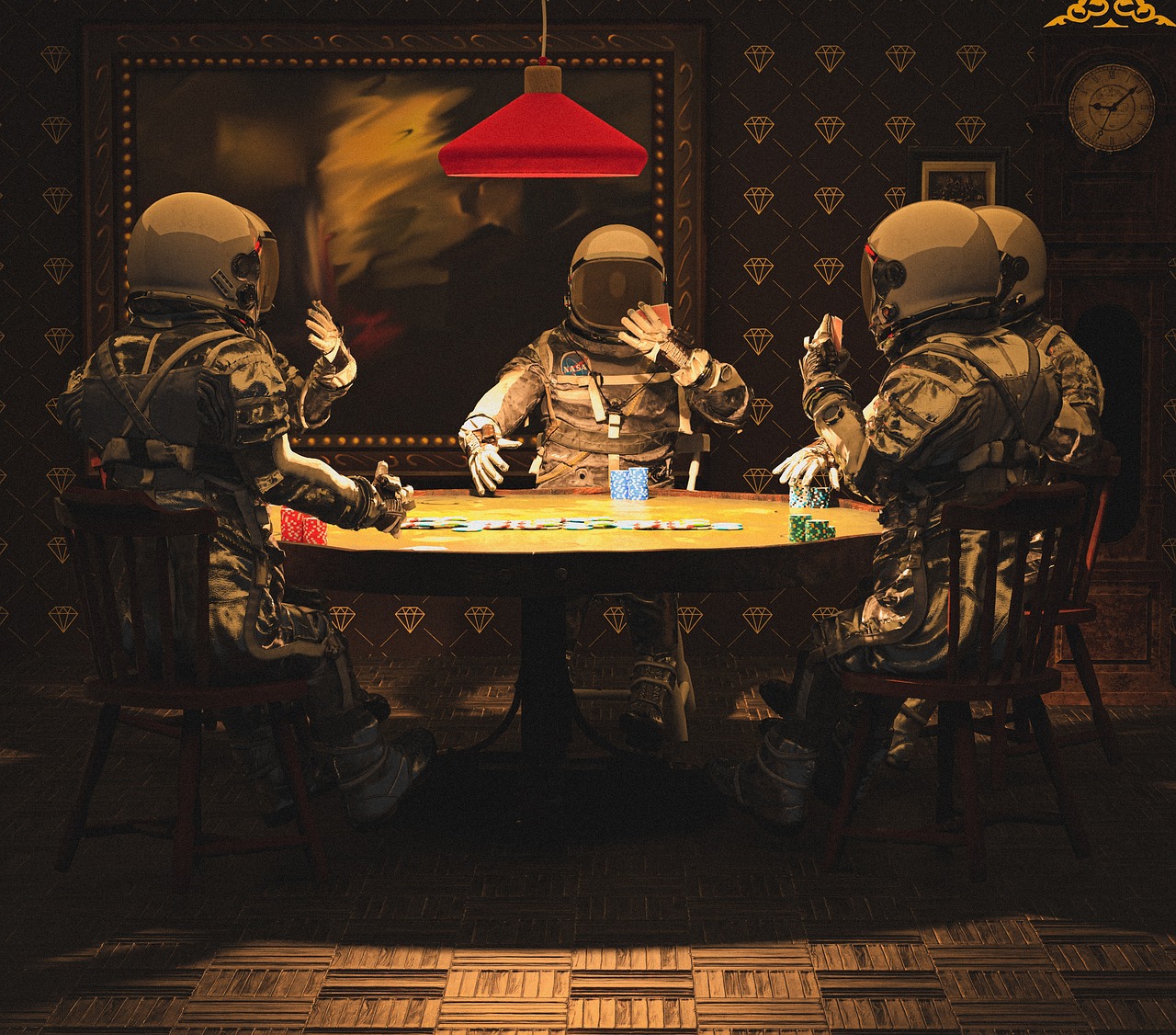
Most players lose money at slots for one boring reason: they pick games and stake sizes that don't match how they...
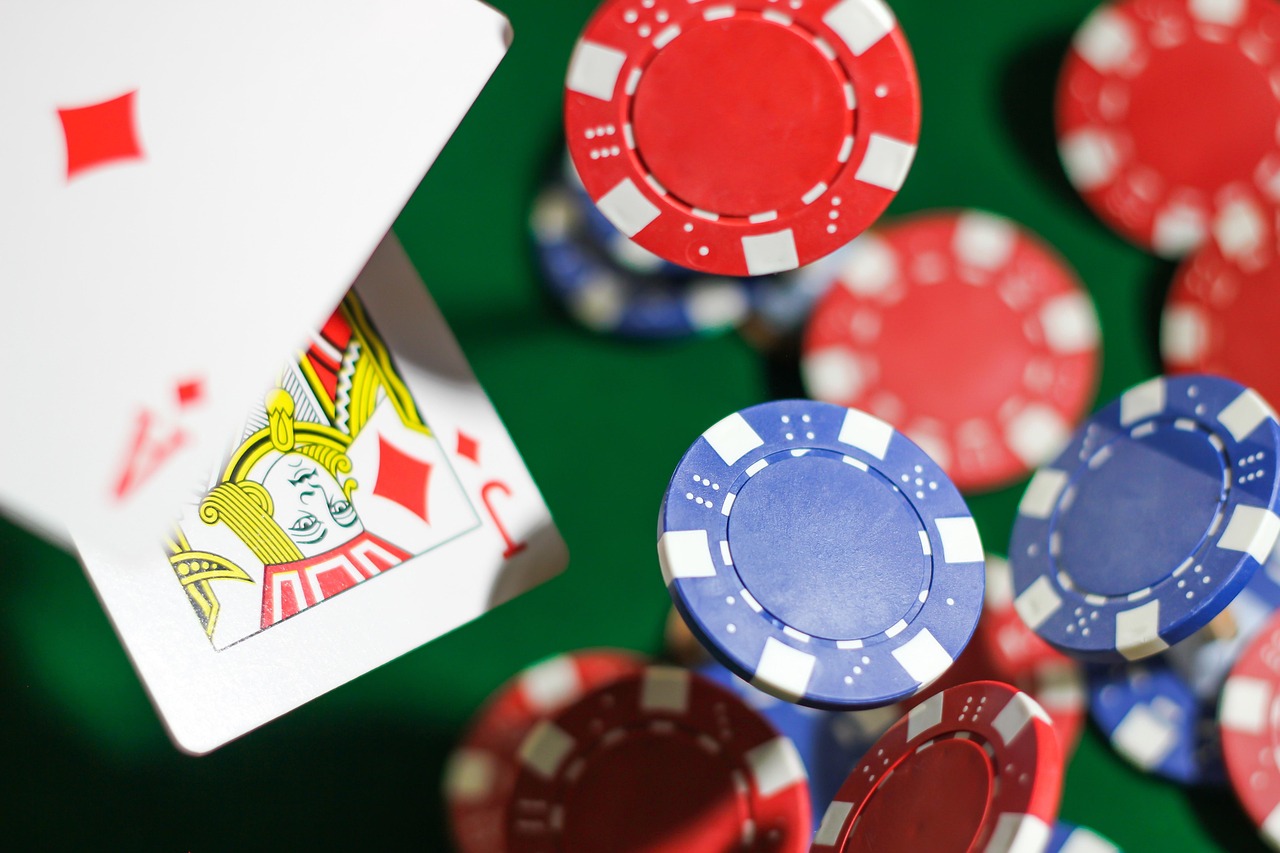
Most slot players choose their games the way they choose a restaurant on holiday: the sign looks nice, so they walk...

Print costs, royalties and VAT decide whether your book makes money before a reader sees the cover. Here is how UK...

Independent publishing with a spark.
